
How Much Does the USMLE Cost? Exam Fees and Prep Budget
Between exam fees, question banks, review books, and travel, USMLE prep adds up fast. Here is a realistic breakdown of what Step 1 and Step 2 CK cost—and how to keep the prep bill down.
Study guides, exam tips, and high-yield concepts for your clinical board exams.
Between exam fees, question banks, review books, and travel, USMLE prep adds up fast. Here is a realistic breakdown of what Step 1 and Step 2 CK cost—and how to keep the prep bill down.

Two study techniques—active recall and spaced repetition—consistently outperform re-reading and highlighting in controlled studies. Here is what the research shows and how to apply it to medical board prep.

Shelf exams pack an entire clerkship's worth of knowledge into a single afternoon. Here is what NBME subject examinations actually test, how they are scored, and an evidence-based plan for studying while you are on the wards.

Test anxiety is common in medical training and can genuinely drag down performance. The most reliable fix isn't a relaxation trick—it's a specific kind of preparation. Here is what helps.
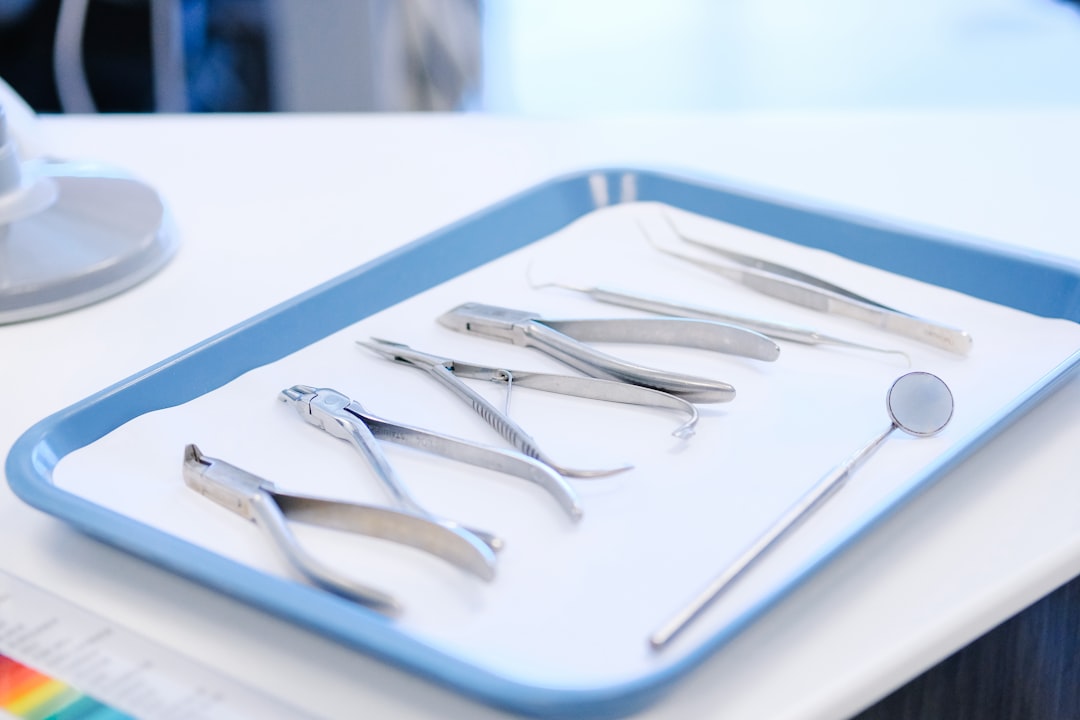
The INBDE fee is just the start—prep resources and, for international dentists, licensure costs add up. Here is a realistic budget and how to keep it manageable.

A question bank is the single highest-yield resource for board prep—but only if you use it as a learning tool rather than a scoreboard. Here is an evidence-based system for getting the most out of every question.

Most AI tutors are just a chat box with amnesia. CliniQuiz's tutor knows your exam, your accuracy per topic, and the concepts you keep missing—and it quizzes you instead of just answering. Here is how it works and why that design matters.
COMLEX-USA Level 1 is the osteopathic licensing exam that blends foundational biomedical science with osteopathic principles—and it is now pass/fail. Here is what it tests, how it is structured, and how to prepare.

COMLEX-USA fees, prep resources, and the extra cost many DO students take on by also sitting the USMLE. Here is a realistic budget and how to keep it lean.

A general-purpose chatbot is a brilliant answer machine that knows nothing about you. A study tool built for medicine knows your exam, your curriculum, and exactly which topics you keep missing. That difference is the whole game.

AI can produce a confident, fluent, and completely wrong medical answer—and even invent citations to back it up. Here is why 'hallucination' is a real risk in medical AI and what separates a trustworthy study tool from a plausible-sounding one.
A good study schedule isn't about cramming more hours—it's about spacing, testing, and mixing topics the way the evidence says works. Here is a simple framework you can build in an afternoon.